Welcome to Our Company
Call Us :08045803837

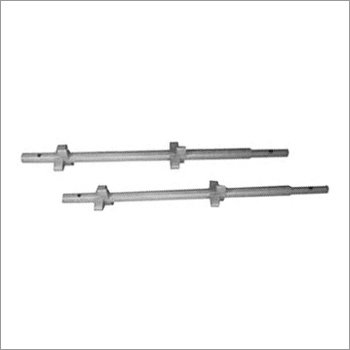
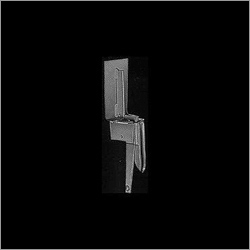
Standard Vertical Quick Wedge

Standard Vertical Quick Wedge

Standard Vertical Quick Wedge Specification

  • Prop Head
  • Standard welded
  • Pin
  • Included for secure fastening
  • Technique
  • Forged and welded construction
  • Sleeve size
  • Varies (specific dimensions available on request)
  • Constitute
  • Steel
  • Product Type
  • Standard Vertical Quick Wedge
  • Material
  • Mild steel
  • Components
  • Quick wedge and vertical rods
  • Diameter
  • Varies based on design specifications
  • Width
  • Designed as per scaffolding requirements
  • Length
  • Customizable
  • Height
  • Standard dimensions depending on application
  • Thickness
  • Standard adjustable thickness based on design
  • Platform Loading Capacity
  • Designed to ensure stability under load
  • Surface Treatment
  • Galvanized or painted for corrosion resistance
  • Application
  • Construction and scaffolding support


About Standard Vertical Quick Wedge

A standard vertical quick wedge is a machine tool accessory used to support and align material for milling, drilling and other machining operations. It is typically used with a vertical milling machine, but may also be used in conjunction with a horizontal milling machine. The wedge is designed to provide a secure, level base for the material being machined, allowing for greater accuracy and precision in the machining process. It is made of a strong material such as steel or aluminum and can be adjusted to fit the size and shape of the material being machined. The wedge is usually mounted to the milling table and can be clamped or bolted into place.

FAQs of Standard Vertical Quick Wedge:


Q: What is the material used for the Standard Vertical Quick Wedge components?

A: The components of the Standard Vertical Quick Wedge are made of mild steel.

Q: Can the length of the Standard Vertical Quick Wedge be customized?

A: Yes, the length of the Standard Vertical Quick Wedge is customizable.

Q: What is the application of the Standard Vertical Quick Wedge?

A: The Standard Vertical Quick Wedge is designed for construction and scaffolding support applications.

Q: How is the Surface Treatment of the Standard Vertical Quick Wedge done for corrosion resistance?

A: The Surface Treatment of the Standard Vertical Quick Wedge can be either galvanized or painted for corrosion resistance.

Q: What is the Platform Loading Capacity of the Standard Vertical Quick Wedge?

A: The Standard Vertical Quick Wedge is designed to ensure stability under load with a specified Platform Loading Capacity.

Tell us about your requirement
product

Price:

Quantity
Select Unit

  • 50
  • 100
  • 200
  • 250
  • 500
  • 1000+
Additional detail
Mobile number

Email

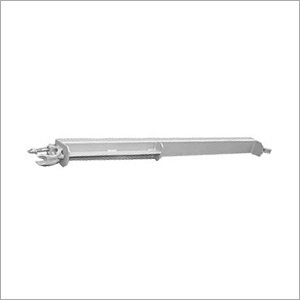
More Products in Quickwedge System Category

Ladder Access Transom

Ladder Access Transom

Constitute : other, Provide the constitute material or details

Product Type : Ladder Access Transom, Other

Technique : Other, Provide manufacturing technique details

Components : Other, Provide the components details

Material : Provide the material details (e.g. steel), Other

Application : Other, Provide the application details
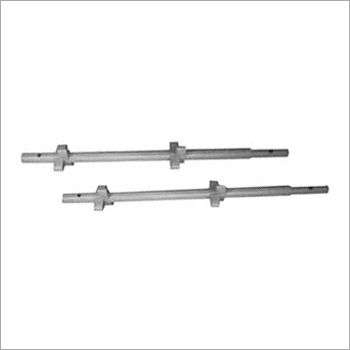
Standard - Vertical Quickwedge

Standard - Vertical Quickwedge

Constitute : other, Vertical Support System

Product Type : Other, Vertical Quickwedge

Technique : Machined, Other

Components : Quickwedge, Other

Material : Steel

Application : Other, Construction Support
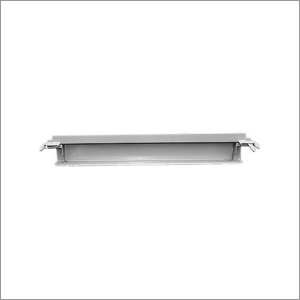
Industrial Quickwedge Return Transom

Industrial Quickwedge Return Transom

Constitute : Metal structure, other

Product Type : Other, Industrial Quickwedge Return Transom

Technique : Other, Precision welding

Components : Other, Quickwedge mechanism

Material : Other , Galvanized steel

Application : Construction
Diamond Industrial End Toe Board Bracket

Diamond Industrial End Toe Board Bracket

Constitute : other

Product Type : Other, Industrial End Toe Board Bracket

Technique : Other

Components : Other

Material : Steel

Application : Other, Supporting toe boards in industrial setups


Back to top